
Smart Building Projects Fail When Systems Are Treated in Isolation
Smart building technology delivers value when systems are integrated and coordinated. Projects that treat ICT, security, HVAC, and building management as separate silos consistently underdeliver.
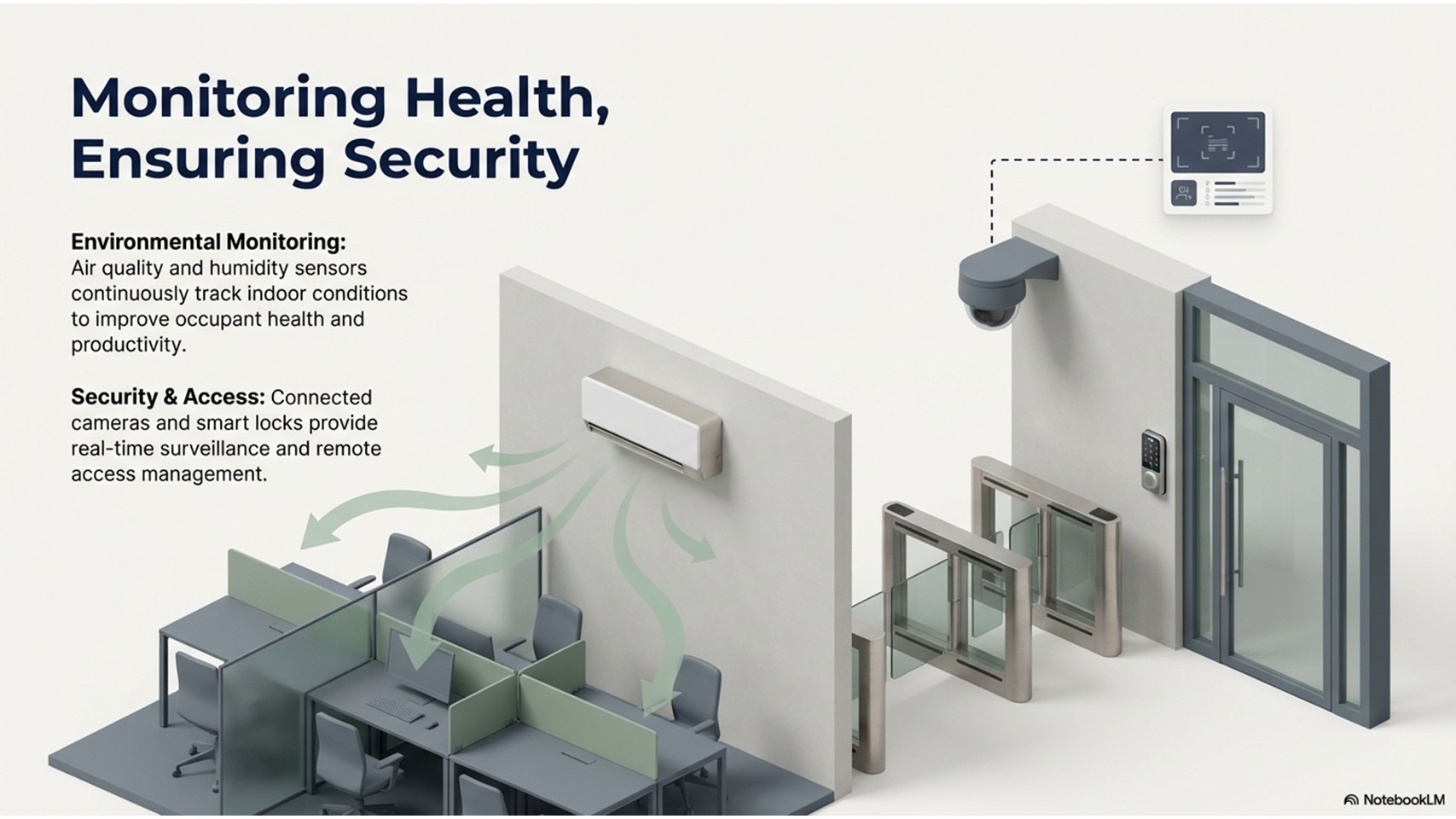
Smart building technology promises significant benefits: energy efficiency, improved occupant experience, enhanced security, and operational intelligence. But many smart building projects fail to deliver on this promise — not because the technology doesn't work, but because the systems are planned and installed in isolation.
The Silo Problem
In most building projects, different systems are specified and installed by different teams with limited coordination. The ICT contractor installs the network. The security contractor installs CCTV and access control. The HVAC contractor installs the building management system. Each team optimises for their own system, with little consideration for how the systems will work together.
Why Integration Matters
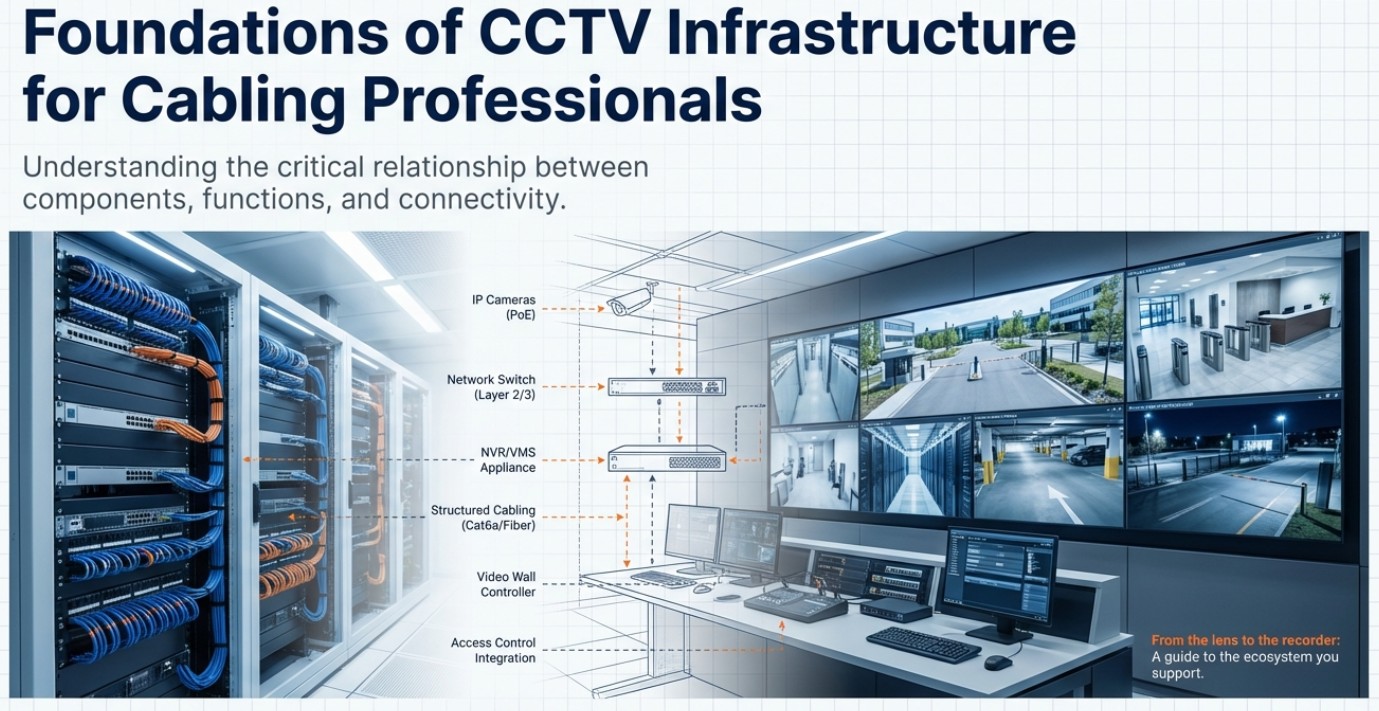
Smart building value comes from integration. An access control system that shares data with HVAC can optimise energy use based on occupancy. A CCTV system integrated with access control can provide visual verification of access events. Environmental monitoring integrated with building management can improve occupant health and productivity.
None of this is possible when systems are planned in silos, installed on separate networks, and managed by separate teams.
The Infrastructure Foundation
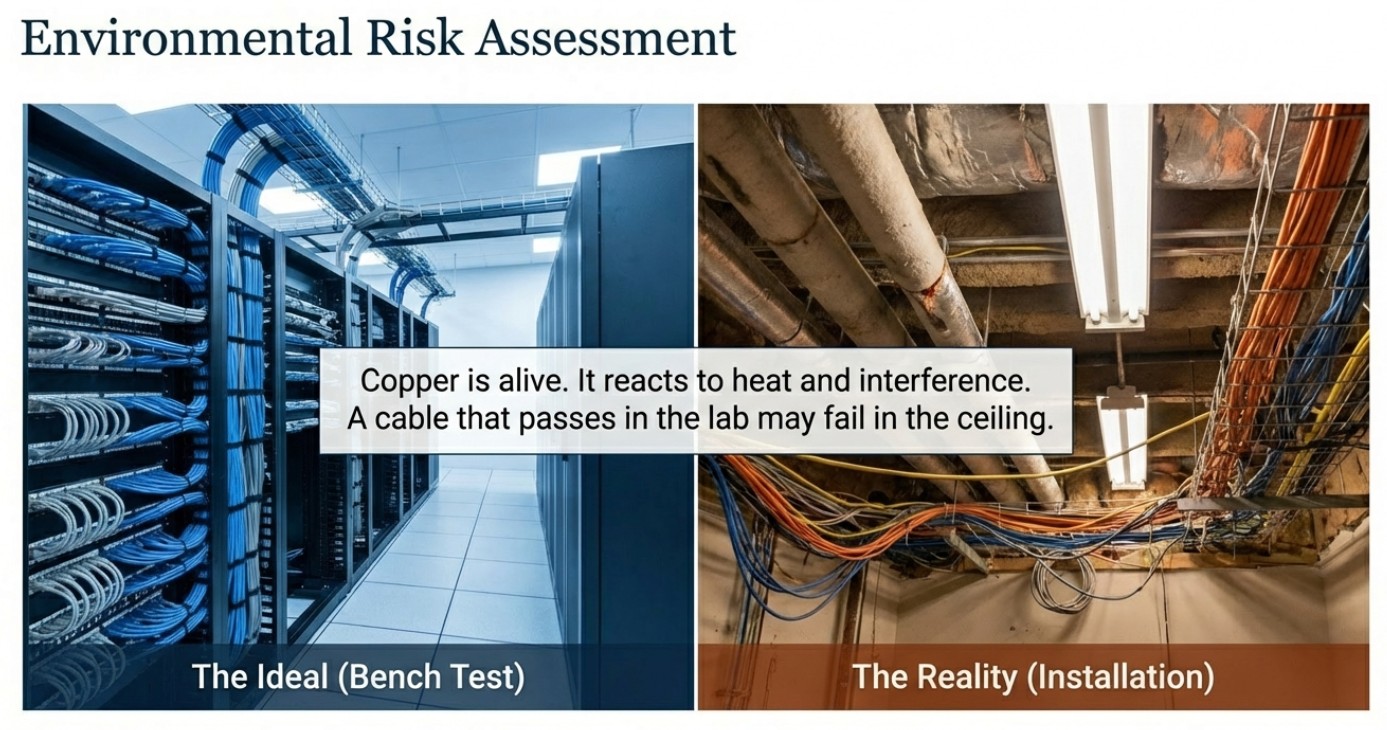
Successful smart building integration starts with a shared physical infrastructure layer. A well-designed structured cabling system, properly planned network architecture, and coordinated telecom room design provide the foundation that all systems can share.
DTNC works with developers, consulting engineers, and project teams to ensure smart building projects are planned with integration in mind from the start.
About the Author
DTNC — Specialist ICT Infrastructure Consulting & Training
DTNC provides specialist consulting, project advisory, and practical training for ICT infrastructure professionals. Our insights are drawn from real-world experience across structured cabling, fibre networks, WiFi, CCTV, access control, and smart building environments.

Ready to discuss your project?
DTNC provides specialist consulting, project advisory, and practical training for ICT infrastructure professionals.